Biofeedback and Neurofeedback
See your stress. Then learn to change it.
Biofeedback uses sensors to show what your body and brain are doing in real time, like heart rhythm, breathing and brain-wave activity. With that feedback, you practice shifting into calm and focus on purpose. Sessions are offered at our Forest Lake office alongside counseling.
How It Works
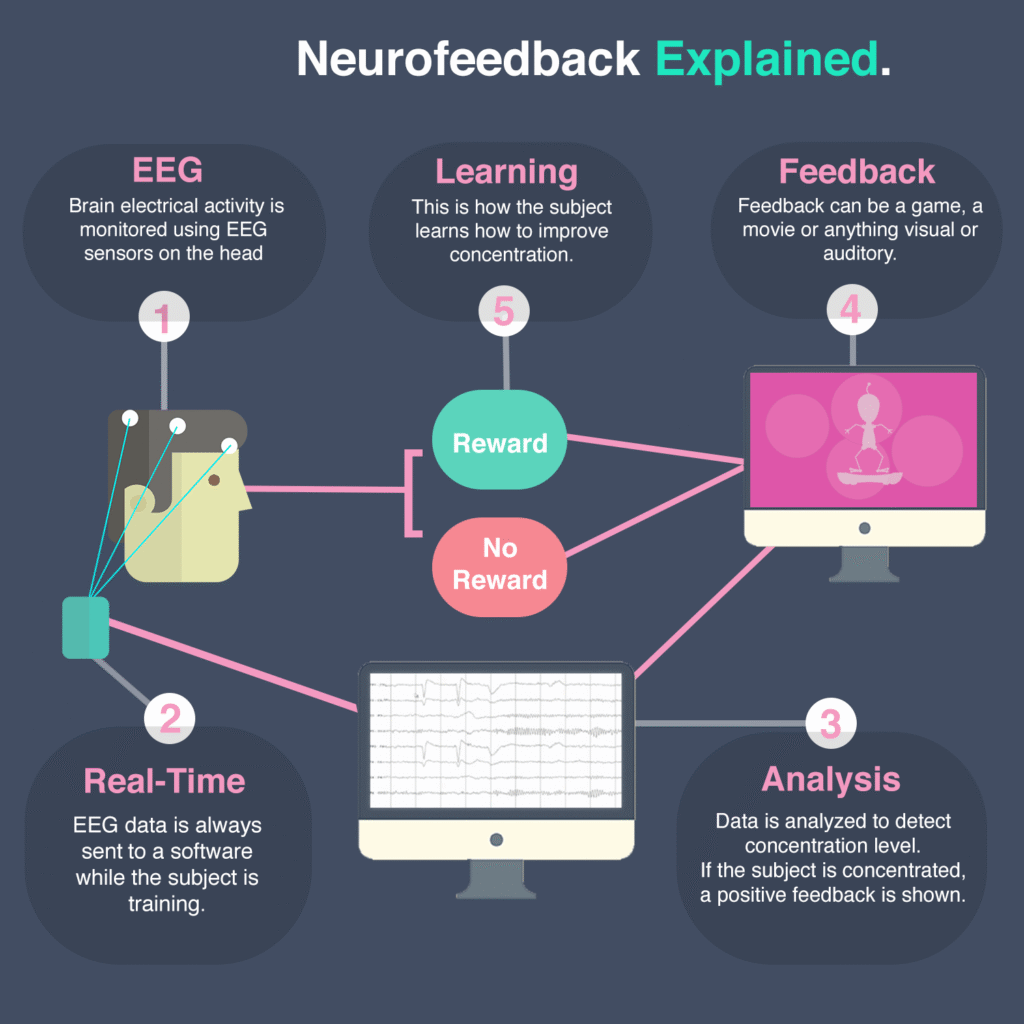
Your body is always sending signals: how fast your heart beats, how you breathe, how tense your muscles are and what your brain waves are doing. Biofeedback puts those signals on a screen so you can see them change. Over time you learn to calm your stress response on your own, even without the sensors.
Biofeedback practitioners can be board certified through the Biofeedback Certification International Alliance (BCIA). Read an overview from the Mayo Clinic or the National Center for Complementary and Integrative Health.
Our Methods
All three methods, including neurofeedback, are available now. Tap a tab to compare them, or call 651-408-3174 to talk through which fits your goals.
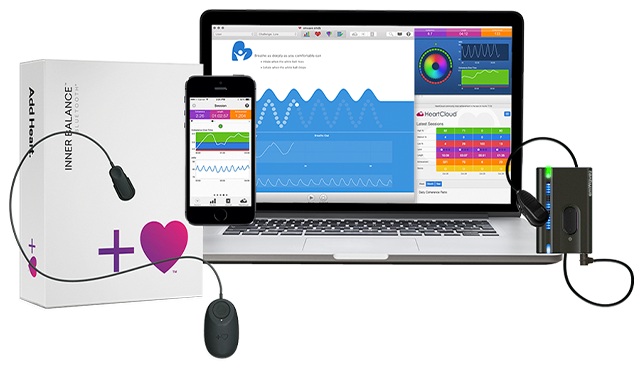
What it is: A small ear or finger sensor shows your heart rhythm while you practice slow, heart-focused breathing. The goal is a smooth, steady pattern called heart rate variability (HRV) coherence.
Good for: everyday stress, anxiety, emotional balance and calm focus.
Research: HRV biofeedback is one of the better-studied forms of biofeedback. Learn more from the HeartMath Institute or try our 60-second breathing break.
What it is: Sensors on the scalp read brain-wave activity (EEG) and give you feedback, often through a game or video, so your brain learns calmer, more focused patterns.
Available now at our Forest Lake office.
Good for: attention and focus, self-regulation and stress.
Research: Studies on neurofeedback for ADHD are mixed but promising. It is best used alongside other care, not instead of a medical evaluation. Learn more from ISNR and see our neurofeedback FAQs.
What it is: A computer-based SCIO system gives feedback on stress patterns during a relaxing, seated session with soft straps.
Good for: relaxation and general wellness as a complement to counseling.
Research: Quantum Biofeedback is an energy-based wellness approach with a more limited research base. It is not a medical diagnostic test and does not replace care from your physician. See our Quantum Biofeedback FAQs.
Interactive Guide
Answer one question for a suggested starting point. Your clinician will confirm the best fit with you.
What is your main goal?
Pick a goal to see a suggested starting point.
Who It Helps
Learn to calm a racing heart and busy mind. Anxiety therapy.
Practice steadier attention and self-regulation. ADHD FAQs.
Build a wind-down routine your body can feel.
Steady the nervous system alongside brainspotting.
Athletes and professionals train calm focus under pressure.
Gentle sessions for anxious animals. Biofeedback for pets.
Biofeedback is a complementary approach. It is not a medical diagnosis and does not replace care from your physician. If you have concussion symptoms, chronic pain or another medical concern, talk with your healthcare provider as well.
Your Sessions
1
We start with what you want to change, such as stress, sleep or focus, and pick the method that fits.
2
Small, painless sensors rest on your skin, ear or scalp. Nothing goes into your body.
3
You watch your signals on a screen and practice breathing, focus or relaxation skills as they respond.
4
You leave with simple skills to practice between sessions, so the calm carries into daily life.
Video Resources
Want to learn more before your first session? These short explainer videos answer common questions about quantum biofeedback, HeartMath and neurofeedback. They are educational and do not replace an individual assessment with our team.
A simple introduction to how biofeedback shows what your body is doing so you can learn to change it.
An overview of quantum biofeedback and how a session reads and responds to your body’s signals.
A quick look at the different kinds of biofeedback and what each one measures.
Walks through a typical biofeedback session from start to finish, step by step.
Explains how biofeedback training can help calm the stress response and ease anxious feelings.
A free HeartMath program introducing five simple tools to help ease stress, anxiety and fear.
An introduction to how neurofeedback works, including its use with autism, from a neurofeedback clinician.
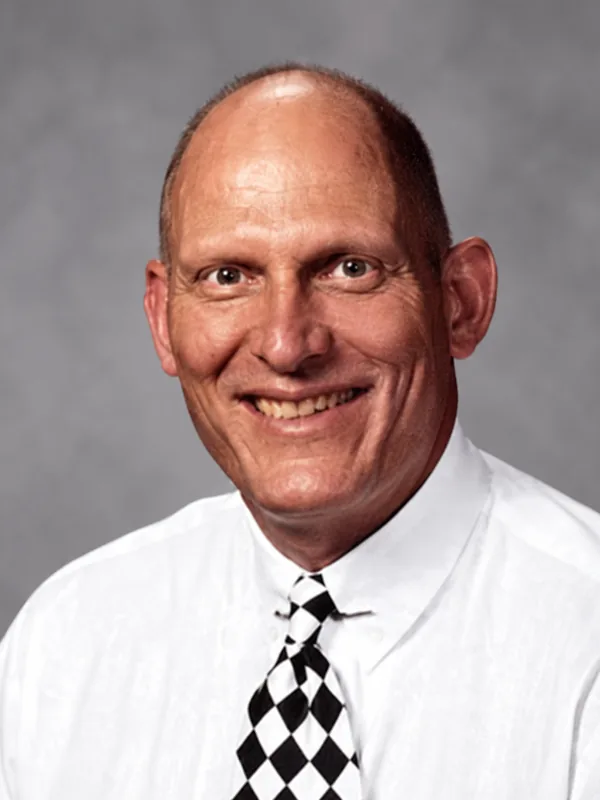
Your Biofeedback Specialist
Dr. Johnson is a licensed chiropractor, board-certified clinical nutritionist and certified biofeedback specialist. He also leads our nutritional counseling and wellness services, so your biofeedback plan can connect with sleep, diet and lifestyle.
Whole-Person Care
Biofeedback works best as part of a bigger plan. See all specialties.
Looking for talk therapy, couples or family support? Visit our partner practice, Counseling and Mediation Solutions.
Biofeedback FAQs
More answers in our FAQ and resource hub.
Biofeedback uses painless sensors to show body signals like heart rhythm, breathing and muscle tension on a screen, so you can learn to change them. Neurofeedback is a type of biofeedback that uses brain-wave (EEG) signals.
HeartMath uses a small sensor to show your heart rhythm while you practice slow, heart-focused breathing. Seeing the rhythm smooth out helps you learn what calm feels like, which many people find helpful for stress and anxiety.
Yes. Neurofeedback is available now at our Forest Lake office, along with HeartMath HRV training and Quantum Biofeedback (SCIO). Request an appointment or call 651-408-3174.
Research on neurofeedback for ADHD is mixed but promising. It is best used alongside counseling, school supports and medical care, not as a replacement. See our ADHD questions.
Quantum Biofeedback uses a computer-based SCIO system during a relaxing, seated session. It is an energy-based wellness approach with limited research. It is not a medical diagnostic test.
No. Sensors simply rest on your skin, ear or scalp, and most people find sessions relaxing.
Biofeedback is generally private pay. HSA and FSA cards are accepted. See insurance and rates.
Some skills, like HeartMath breathing, can be practiced at home, but biofeedback sessions usually work best in person at our Forest Lake office.
Get Started
Book online, call our office, or send a secure message with your questions.
Request a biofeedback appointment through our secure SimplePractice portal, or call to ask which methods fit your goals.
Office: 407 West Broadway Avenue, Forest Lake, MN 55025. Get directions or visit our contact page.
HIPAA-secure form. Please do not use it for emergencies.
Your nervous system can learn new patterns. Start biofeedback in Forest Lake today.