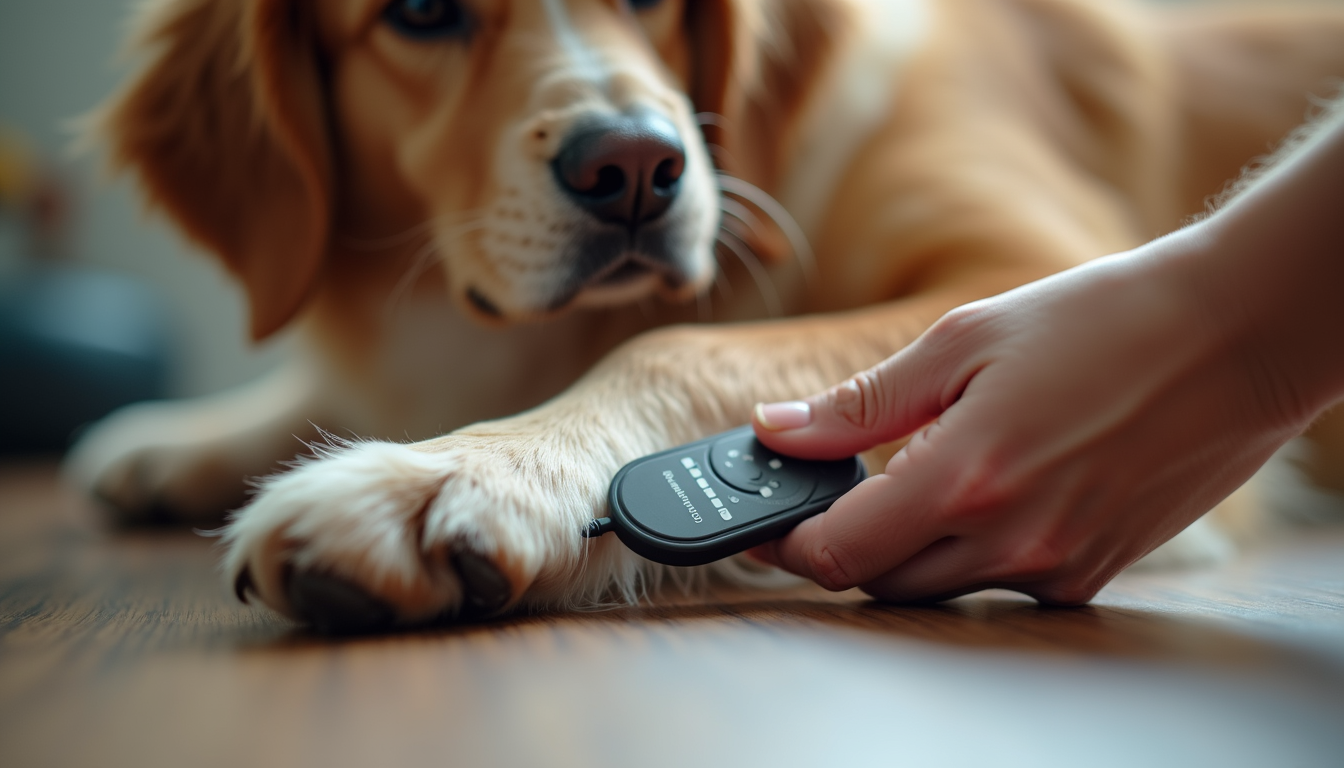
Before booking a pet biofeedback session, discuss your pet’s needs with a veterinarian and ask the service provider for a clear explanation of the proposed session. A calm setting or a device display does not by itself demonstrate a treatment benefit.
Ask about evidence, costs and comfort
What device will be used? What does it measure? Is there published clinical research for this exact use in the animal species being treated? Ask for the total cost and cancellation terms directly; prices should not be inferred from a general article.
Also ask how the session will stop if your pet becomes distressed. The AAHA behavior guidelines emphasize veterinary behavior assessment and attention to an animal’s emotional wellbeing. They do not establish that pet SCIO or bioresonance treats anxiety, pain or disease.
Keep ordinary care in place
The RCVS statement on complementary medicines supports protecting evidence-based veterinary care when complementary approaches are considered. It is a UK professional position, not Minnesota legal advice.
For dogs, the AVSAB position statements include guidance on humane, reward-based training. Ask your veterinarian about appropriate behavior support; do not substitute a device session for assessment of a new health or behavior concern.
BTBT’s pet biofeedback page is a place to ask service-specific questions. The references here support veterinary care and welfare principles; they are not proof that the advertised device produces clinical benefits.