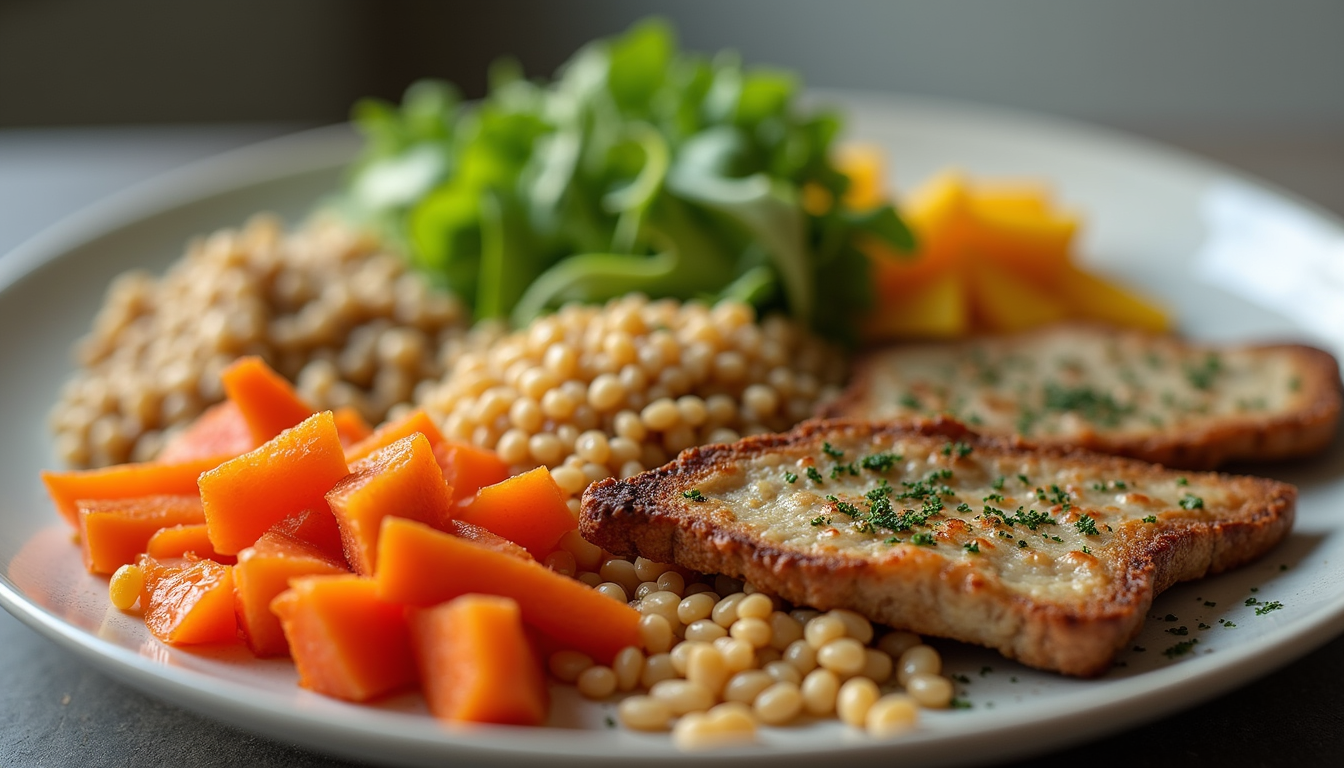
Nutrition conversations can start with everyday needs: meal planning, food preferences, access to food and routines that fit your schedule. Before beginning counseling, ask about the provider’s training and whether your goals require a registered dietitian or another healthcare professional.
Food and mental health: keep the evidence specific
The 2017 SMILES randomized trial studied dietary support as an addition to care in 67 adults with major depression over 12 weeks. Its findings do not establish that a particular food or supplement treats everyone’s depression, or that dietary changes replace mental health treatment.
Use this research as a reason to ask informed questions, rather than as a promise of a result. MedlinePlus offers general nutrition information that can help you prepare for a conversation about your eating patterns.
Make a workable plan
Bring a description of a typical day, foods you enjoy, allergies, relevant medical conditions and the barriers you face. A useful starting goal might be planning one manageable meal or making shopping easier. Ask how the plan will fit your budget and how you will review it together.
Discuss supplements separately
NCCIH’s supplement guidance explains that supplements can interact with medicines. Tell your healthcare team what you take before adding a product. A recommendation should address your circumstances rather than imply that a nutrient universally fixes anxiety or sleep problems.
Read BTBT’s nutritional counseling page and team information, or contact Beyond the Brain Therapies to ask about the service and the provider’s qualifications.